


Document Retention: A Growing Blind Spot for Compliance
Regulatory changes, new policies and procedures, and ongoing business expansion can lead to document retention “blind spots” for financial institutions. Unresolved retention blind spots increase risk, particularly from a compliance standpoint.
Let’s explore how an ECM solution like FASTdocs simplifies document retention, reduces blind spots, and mitigates risk.
Retention Blind Spots in Banking
Minimizing or eliminating blind spots should be the priority, but that’s easier said than done—especially when document management practices are stuck in the last century.
Do any of the following statements sound familiar? If so, it might be time for a change.
“We don’t know what we don’t know.” Checklists, ticklers, and spreadsheets are commonly used to support retention. Financial institutions rely on these solutions to identify what must be purged. Unfortunately, manual data entry often leads to recordkeeping oversights—and, ultimately, items that “slip through the cracks.”
“There’s so much tedious work to be done.” Retention rules vary depending on a variety of criteria, such as document type. One financial institution may manage and track dozens of document types. Multiply this complexity across thousands of loans and accounts, and a lot of cross-checking becomes necessary to ensure policy compliance.
“I can’t tell how things have changed.” Understanding how a document has changed over time is practically impossible without the right technology. For example, let’s say that your financial institution just collected an updated signature card for a recently married account holder. What happens to the original after the new card is scanned in? Completely replacing the old with the new makes it difficult to see how the relationship changed. On the other hand, maintaining multiple copies creates confusion and poses information storage challenges.
Reducing Blind Spots with FASTdocs
FASTdocs, Alogent’s ECM software for banks and credit unions, delivers powerful capabilities to support enhanced alignment with your document retention policy. By leveraging automated document retention in FASTdocs, financial institutions can reduce blind spots and bolster internal efficiency.
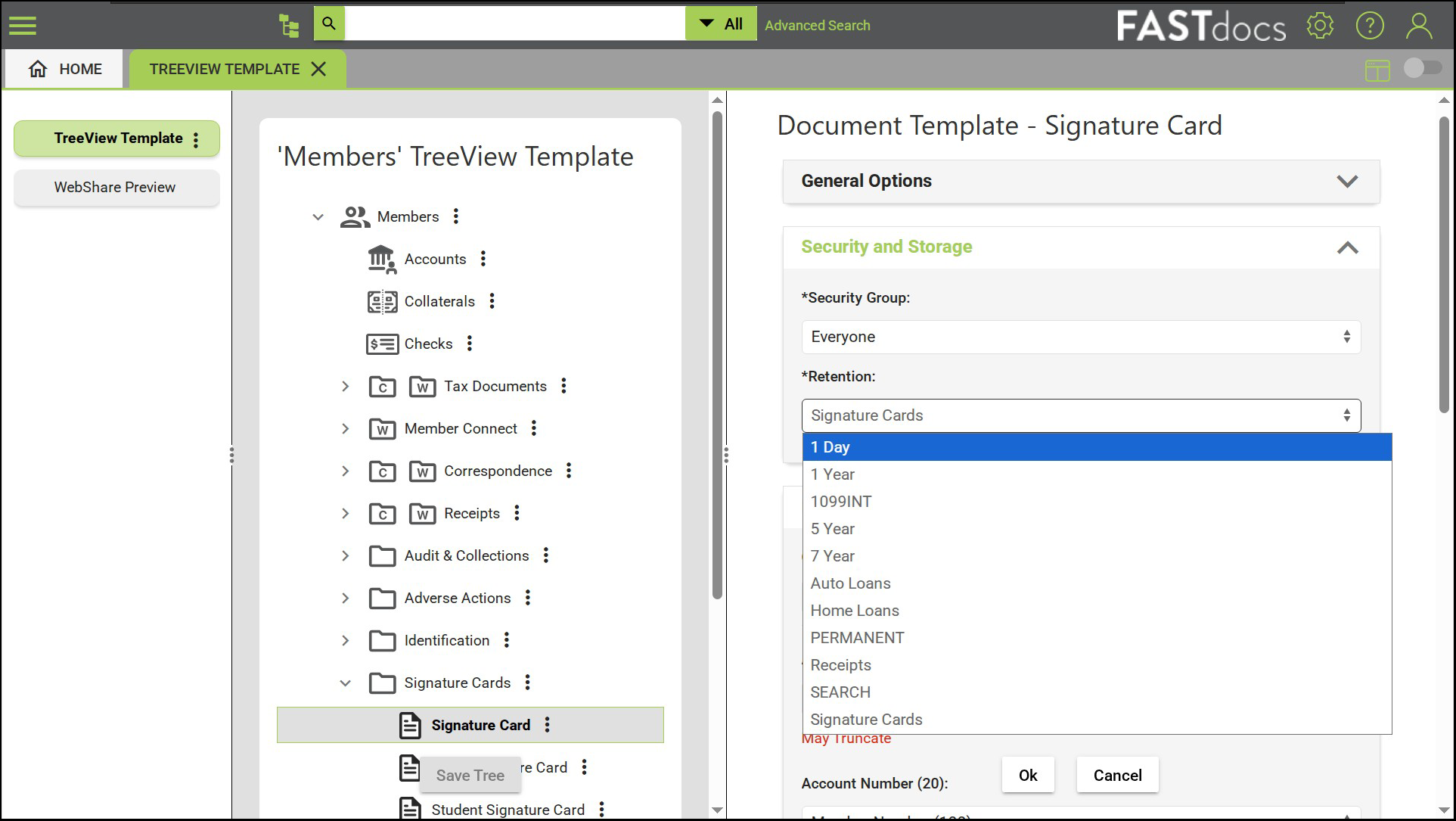
Consistent document retention: With FASTdocs, financial institutions define retention rules for each document template. As new information enters the system, items automatically inherit purge rules based on associated templates. This enables bankers to programmatically apply their retention requirements to their documentation (rather than maintaining complex tracking spreadsheets).
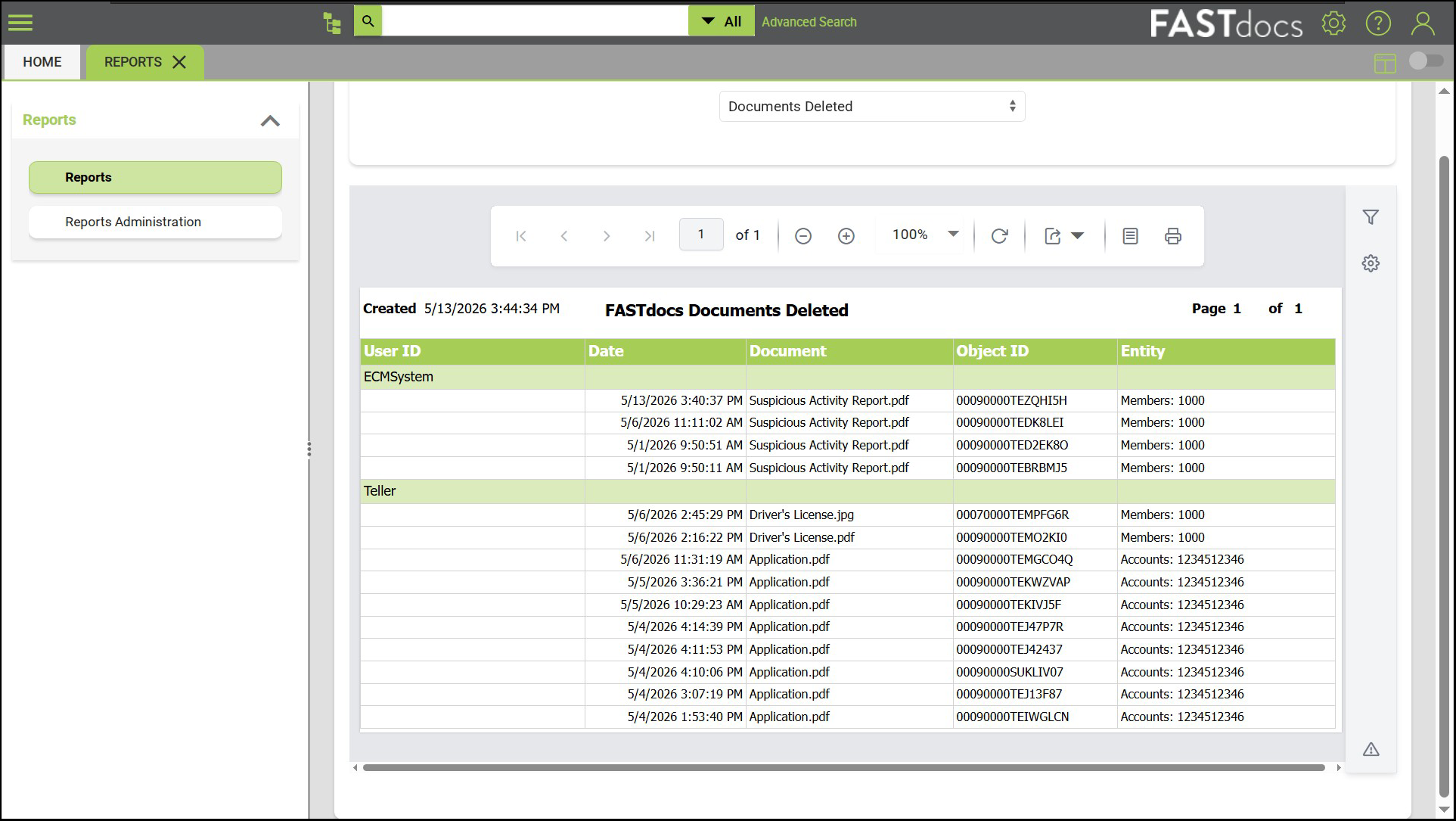
Defensible purging: FASTdocs automatically purges items based on the financial institution’s purge rules. Purge workflows run predictably (typically on a nightly basis) without anyone manually taking action. Metadata in FASTdocs offers insight into what was removed and when.
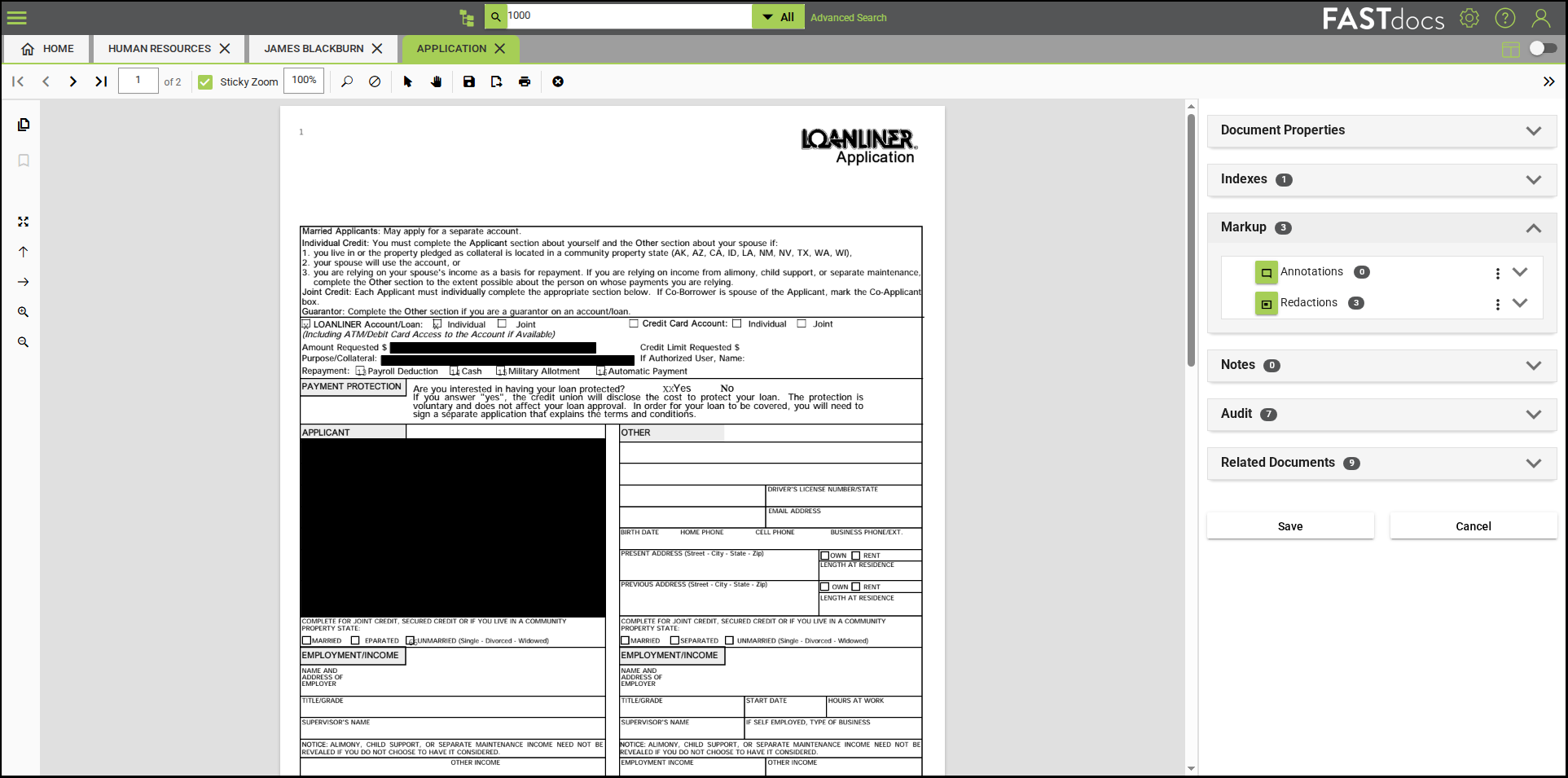
Audit-ready governance: Information governance extends beyond the timely purging of documentation. Controlling how information changed over time is also important, which is why FASTdocs versioning is incredibly useful. Folder-based access controls, document redaction, and other security and privacy features are also built into FASTdocs.
Contact Alogent to request a demo of FASTdocs
Be the first to know! Click below to follow us on LinkedIn for news and content updates!
This article is for informational purposes only and is not to be taken as guidance or advice for your institution. Seek appropriate legal and compliance counsel before making decisions about retention.