

Network Drives vs. ECM: Why Financial Institutions Need Secure, Scalable Document Management
“Let’s just scan everything into our network drive.”
Some financial institutions take this approach, believing it’s the easiest path toward digitization. Scanning into a network drive may be a good starting point, but it’s rarely the long-term solution. This article explores the limitations of network drives and why banks and credit unions should implement a dedicated ECM (enterprise content management) system like FASTdocs.
Document Management & Network Drives
Electronically storing records in a shared network drive may reduce the risk of information loss, but the following challenges should be carefully considered:
- Structural Issues: From a hierarchy standpoint, network drives are typically organized into a series of folders and subfolders. Creating high-level directories for account holders gets messy given the complex nature of banking relationships. Some documents should ideally reside in multiple folders, but duplicating files for organizational purposes creates confusion and tracking issues. Allowing dozens of contributors to work within a semi-structured environment leads to inconsistent naming conventions.
- Complex, Time-Consuming Retention Processes: Document retention policies must be consistently applied, even when information exists in an electronic format. Ensuring compliance becomes incredibly tedious when documents reside in nested folders that cannot be easily filtered. As a result, someone must manually click through folders when purging records.
- Lack of Information Controls: Failing to implement necessary security protocols may provide unauthorized users with access to sensitive data. Without an ECM, properly controlling user-level access involves considerable effort by in-house IT staff.
- Reporting Limitations: Network log data may shed insight into basic activity but usually falls short for advanced reporting needs—like identifying expired documents and what needs to be purged.
Simplify Information Management with FASTdocs
Leveraging a dedicated ECM system like FASTdocs poses several distinct advantages compared to shared network drives.
Scalable Information Management: FASTdocs easily accommodates both departmental and account holder information—in a highly structured format that reduces inconsistencies. Optical character recognition (OCR) and artificial intelligence (AI) accelerate document classification and indexing. Retention rules and document templates make automated purge a reality.
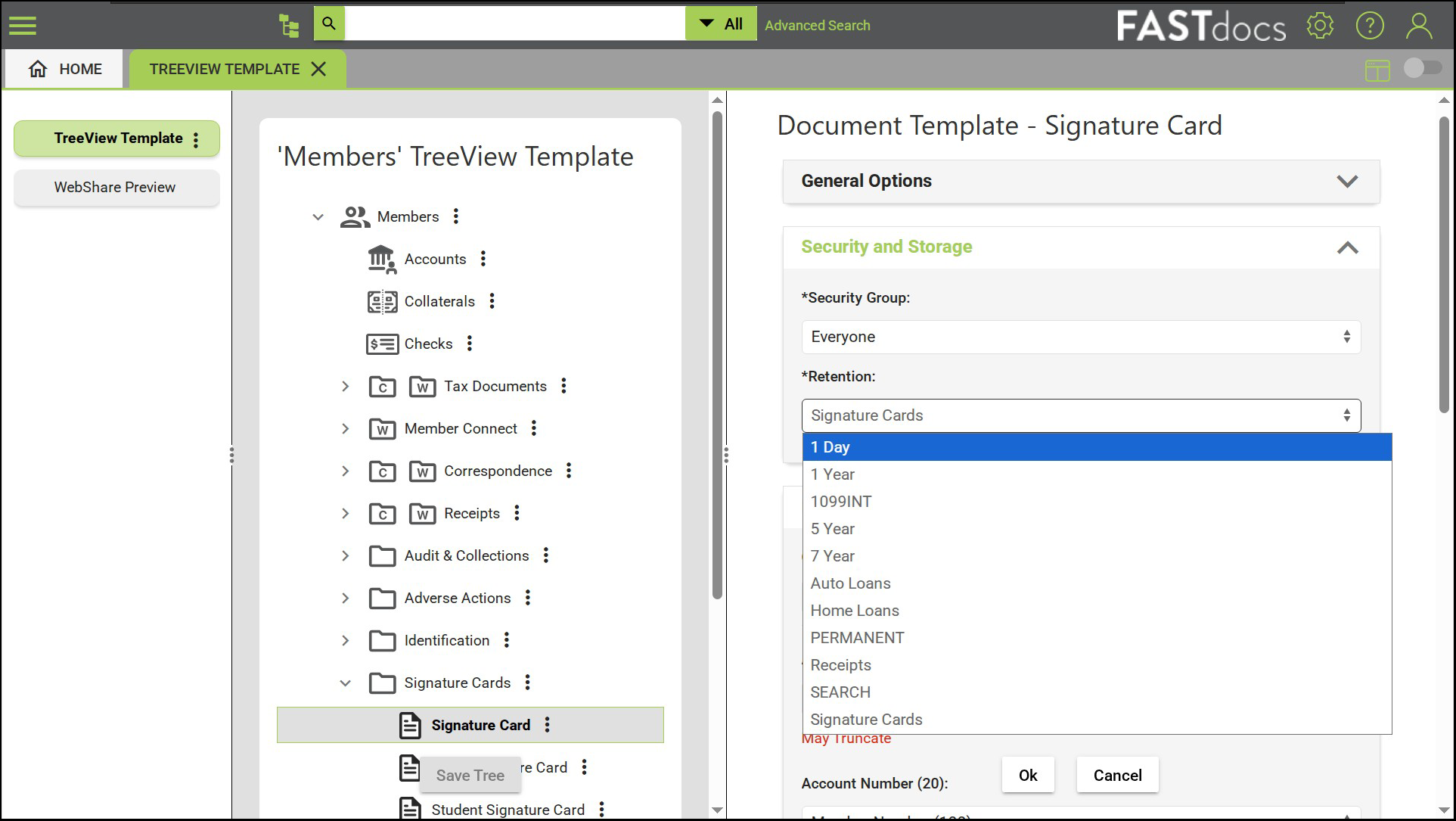
Intuitive Self-Service Experience: In addition to simplifying access for in-house staff, FASTdocs can enable a two-way document exchange with account holders.
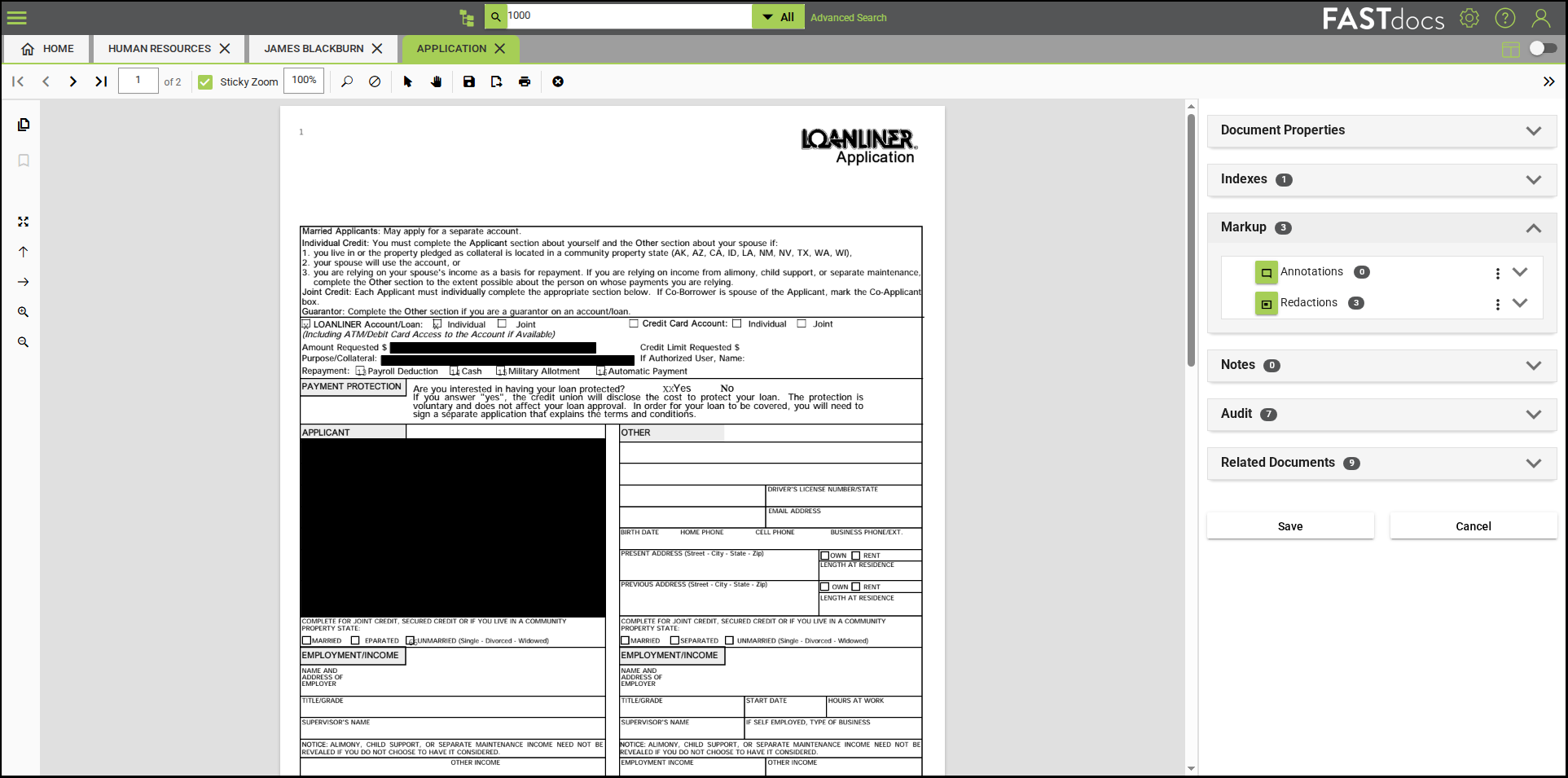
Built-in Controls: User group memberships, departmental and customer / member folders, deletion workflows, and document-specific controls (like redaction) bolster security without creating new headaches.
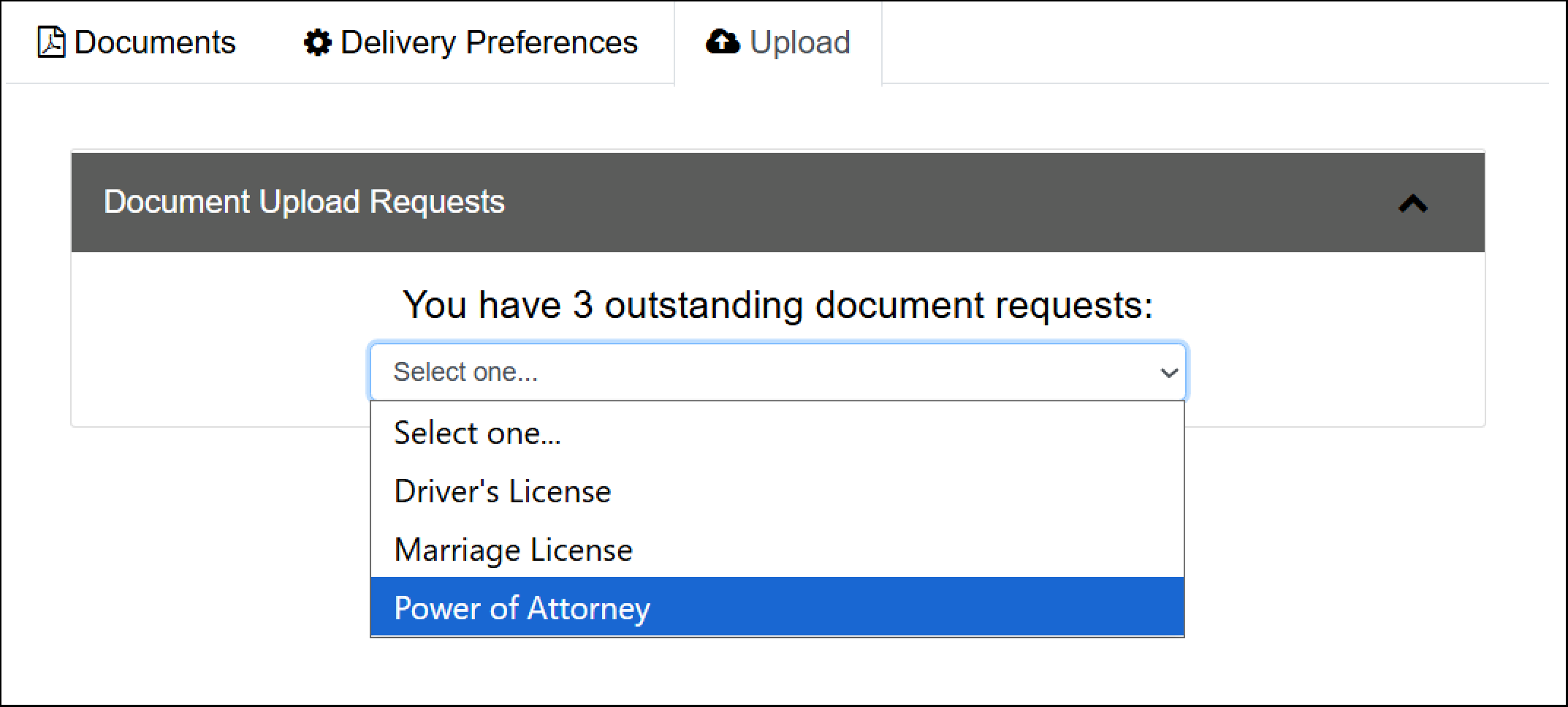
Integrations: Connectivity with Alogent Document Portal allows prospective and existing account holders to electronically provide information. With the FASTdocs API, financial institutions can connect to a variety of popular cores and other third-party apps—further streamlining and standardizing how information enters the system.
Tired of Looking through Your Network Drive?
Contact Alogent to explore our full ECM suite, which includes FASTdocs, AccuAccount, and Alogent Document Portal.
Read more: 1 ECM for All Departments
Modern Institutions are Rethinking their ECMs. Here's Why
Be the first to know! Click below to follow us on LinkedIn for news and content updates!